Why You Should Focus On Enhancing Car Key Repair
Comprehensive Guide to Car Key Repair: Everything You Need to Know
In today's world, car keys are integral to vehicle gain access to and security. A malfunctioning or broken car key can be a significant trouble, leaving you stranded and annoyed. This short article offers a thorough introduction of car key repair, covering various kinds of keys, typical problems, repair procedures, and preventive steps.
Types of Car Keys
Comprehending the types of car keys is essential for identifying problems and evaluating repair choices. The primary categories include:
Traditional Metal Keys: These are the most basic form and are typically utilized in older automobiles. They can easily be duplicated at hardware stores.
Transponder Keys: Equipped with a microchip, these keys interact with the vehicle's immobilizer system to give access. They prevail in lorries produced after the late 1990s.
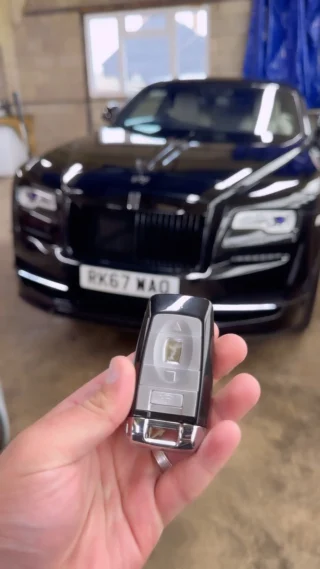
Smart Keys: Also understood as proximity keys, these allow keyless entry and ignition. They make use of innovative innovation and are often matched with a push-button control.
Key Fobs: These devices provide remote control functions such as locking or opening the doors. They can be standalone or integrated with wise keys.
Key Cards: Commonly found in luxury vehicles and newer models, these cards are utilized for keyless entry.
Table 1: Types of Car Key s
Type
Description
Common Issues
Traditional Metal
Standard cut metal keys
Breaking, flexing, difficulty in turning
Transponder
Key with ingrained chip for additional security
Chip failure, programming concerns
Smart Key
Keyless ignition with distance unlocking
Battery depletion, chip malfunction
Key Fob
Remote control for locking/unlocking
Battery concerns, signal interference
Key Card
Credit card-sized device for access
Harmed card, electronic failures
Typical Problems with Car Keys
Car keys can encounter numerous problems that may demand repair:
Physical Damage: Keys can flex, break, or become used down, making them hard to utilize.
Transponder Issues: The microchip inside a transponder key may malfunction or stop working, avoiding the vehicle from beginning.
Battery Depletion: Smart keys and key fobs need batteries that can run out, leaving the owner locked out till replaced.
Programming Issues: Keys require to be set to the specific vehicle. If this programming is disrupted, the key will not function correctly.
Lost or Stolen Keys: In the occasion keys are misplaced or taken, replacement essential for security factors.
Car Key Repair Process
Fixing a car key depends upon the type of damage and key included. Below are typical repair techniques for various kinds of keys:
1. Conventional Metal Keys:
- Repair Method: If broken or bent, a locksmith can typically repair these keys by correcting the alignment of or improving them.
- Replacement: If damage is serious, replacement is required.
2. Transponder Keys:
- Repair Method: For malfunctioning chips, a locksmith can reprogram the key.
- Replacement: If the key is broken beyond repair, a new one need to be configured to the car's system.
3. Smart Keys:
- Repair Method: Changing the battery may solve issues with a non-functional clever key.
- Replacement: If the key is damaged, it must be replaced and reprogrammed.
4. Key Fobs:
- Repair Method: Simple battery replacements or reprogramming can frequently fix fob problems.
- Replacement: A brand-new fob will be required if physical damage appears.
5. Key Cards:
- Repair Method: In some cases, damaged cards can be fixed if the electronic components are undamaged.
- Replacement: Often, replacement is required if the card is thoroughly damaged.
Preventive Measures
Taking care of car keys can prevent common concerns and extend their life-span. Here are some preventive pointers:
- Avoid Excessive Force: Use keys carefully to prevent flexing or breaking.
- Routine Maintenance: Have your keys checked periodically, specifically transponder and wise keys.
- Appropriate Storage: Store keys far from wetness and extreme temperature levels. Think about using a key holder to avoid wear from other keys.
- Limitation Exposure to Magnetism: Keep key fobs away from magnets and gadgets that might interfere with their signaling.
- Replace Batteries Timely: Change batteries in key fobs and wise keys before they pass away to prevent lockouts.
FAQs
Q1: Can I repair a broken car key myself?
A: While some minor repairs, like battery changes for fobs, can be done at home, it's typically recommended to consult an expert locksmith for significant damages.
Q2: How much does it cost to repair or change a car key?
A: Costs can differ extensively based on the type of key, the vehicle's make and design, and the repair needed. Traditional keys may cost as little as ₤ 1 to duplicate, while smart keys can vary from ₤ 100 to ₤ 400.
Q3: What should I do if I lose my car key?
A: If you lose your car key, contact a locksmith or your vehicle dealership for a replacement. For added security, make sure that the vehicle is reprogrammed to avoid unauthorized gain access to.
Q4: How can I tell if my transponder key is malfunctioning?
A: If your vehicle fails to start or reveals cautioning lights, the transponder chip might be defective. Checking by a locksmith can validate if the key is the problem.
Car key repair is a necessary element of vehicle maintenance that many owners overlook. By comprehending the various kinds of keys, common concerns, and repair procedures, vehicle owners can guarantee that they are gotten ready for any key-related challenges. Preventive procedures can further boost the longevity of car keys, ultimately providing assurance and security for all drivers.